Start with a simple routine
Home maintenance does not have to mean a weekend of repairs. A short walk-through each season can help you notice leaks, blocked vents, worn seals, and other small changes before they disrupt daily life. Use this checklist as a starting point rather than a strict calendar: weather and building needs vary. If you rent, focus on tasks you are permitted to do and report concerns to your landlord or building manager.
Keep a basic record in a notebook or phone. Note what you checked, anything that changed, and whom you contacted about a problem. Locate your water shutoff, electrical panel, and heating or cooling controls before you need them, but leave unfamiliar repairs and hazardous work to qualified professionals. A flashlight, cleaning cloth, and a few replacement filters or batteries may be enough for many routine checks.
Spring: look for water and winter wear
After cold or wet weather, look at ceilings, walls, and the areas beneath sinks for stains, peeling finishes, dampness, or musty smells. Check around windows and exterior doors for drafts or damaged seals. If you find an active leak, take steps to protect your belongings and arrange for prompt help rather than waiting for the next seasonal check.
Where you can safely see them from the ground, inspect gutters, downspouts, and drainage paths. Water should be directed away from the building, not allowed to collect beside it. Clearing a reachable drain opening may be simple; climbing a ladder or working on a roof is not a beginner task. Renters can photograph and report exterior concerns instead of attempting repairs.
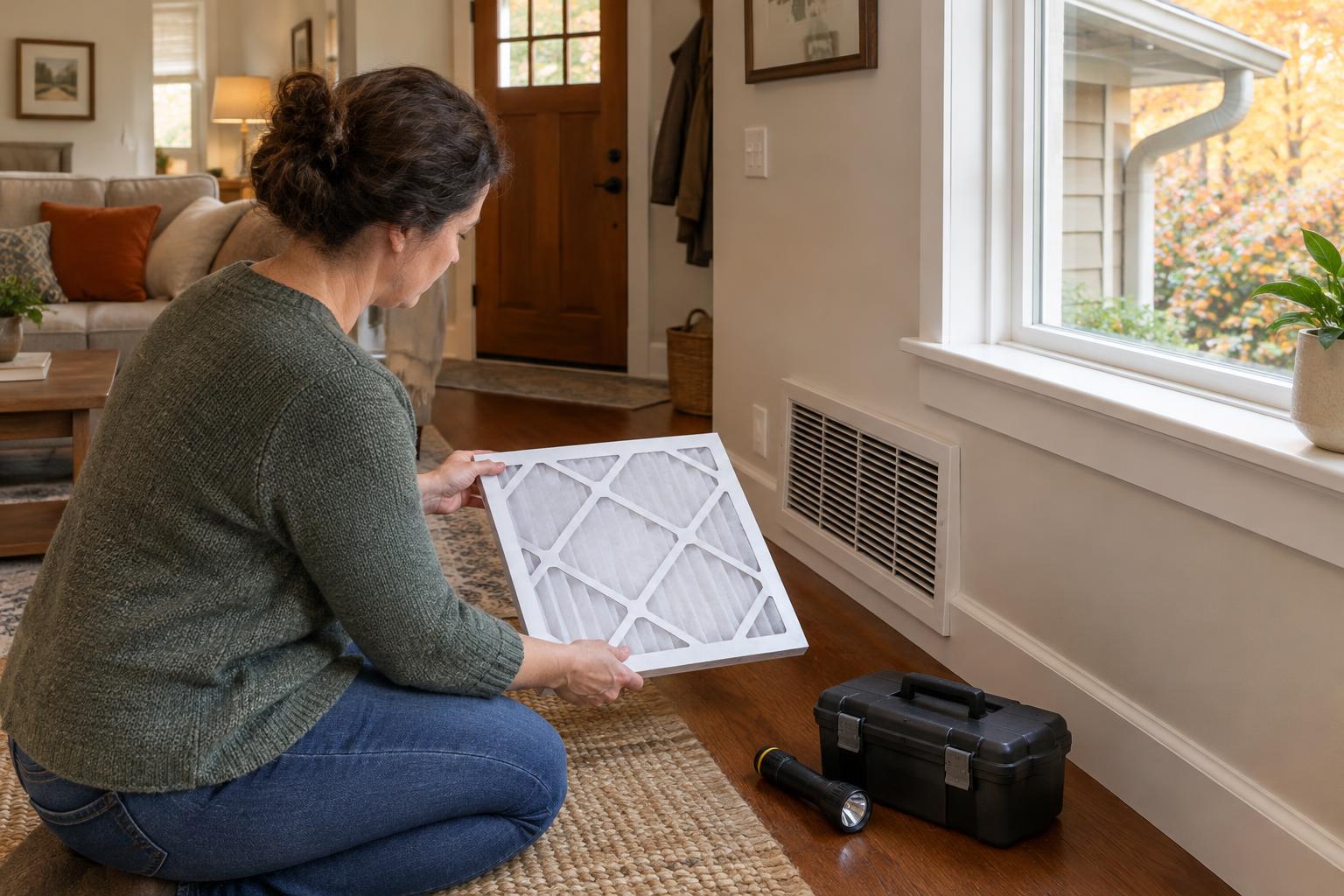
Clean window tracks and check that windows open, close, and lock properly. If your home has an air-conditioning system, consult its instructions for filter care and clear clutter from accessible vents. A little attention to airflow now can make the system easier to use when warmer days arrive.
Summer: manage airflow and moisture
Warm months are a good time to check how the home handles heat. Keep supply and return vents unobstructed by furniture, rugs, or stored items. Clean or replace accessible HVAC filters according to the equipment guidance; different systems use different filters and schedules. If a unit makes unusual noises, leaks, or stops cooling as expected, arrange an inspection rather than opening electrical or refrigerant components yourself.
Pay attention to rooms that stay damp, especially bathrooms, kitchens, basements, and laundry areas. Use working exhaust fans when cooking or bathing, and clean visible dust from their covers with the power off. Check around washing machines, dishwashers, and toilets for water or soft flooring. An unexplained wet spot deserves attention even if it appears small.
Outside, trim plants that press against siding or block an accessible vent, if that is within your responsibilities. Check that outdoor taps are not dripping and that hoses are not creating puddles against the building. These tasks are less about achieving a perfect exterior than keeping water and airflow from causing avoidable trouble.
Autumn: prepare for colder weather
Before temperatures fall, test the heating system using its normal controls so there is time to address a problem. Follow the manufacturer’s directions for filter changes and servicing. Keep furniture and stored items away from heaters, radiators, and vents. If you have a fireplace or fuel-burning appliance, arrange any inspection or cleaning it requires with an appropriate professional.
Walk through the home on a breezy day and feel for drafts around doors and windows. Replace simple, removable weatherstripping where permitted, or report gaps that need repair. Check that doors latch and windows close securely. Outdoors, look for leaves blocking visible drainage points; request help for gutters or other places you cannot reach safely.
Test smoke and carbon monoxide alarms using their test buttons, following the device instructions for battery replacement and end-of-life signals. Do not disable an alarm that keeps sounding or chirping without finding out why. This is also a useful time to make sure a clear exit route is not crowded by seasonal storage.
Winter: monitor, then reset
During cold weather, revisit places most likely to show trouble: under sinks, near windows, around exterior doors, and beside heating equipment. Watch for condensation, new stains, or persistent dampness. If pipes may be exposed to freezing conditions, follow guidance appropriate to your home and climate; ask a building manager or plumber when you are unsure what is safe to adjust.
Keep exterior walkways reasonably clear when that is your responsibility, and avoid piling snow against vents or entrances. After storms, check for damage from a safe position rather than climbing onto slippery surfaces. Indoors, clean up tracked-in water promptly to protect floors and reduce slipping.
At the end of the season, review your notes. Which issue returned? Which task required a tool, permission, or professional visit? Put recurring checks on next year’s calendar and group larger repairs by priority. The most useful checklist is one you can repeat: a few careful observations each season, followed by timely action when something is wrong.


