Start with the lease, then check local rules
There is no universal list of repairs that every renter or landlord must handle. Responsibilities depend on the lease, the cause of the problem, and the rules where the home is located. A useful starting point is to separate everyday care of the space from repairs to the property itself. Renters generally look after ordinary cleaning and careful use; landlords commonly handle systems and fixtures that need repair because of age, normal use, or a fault the renter did not cause.
Before buying a part or arranging a contractor, read the sections of your lease covering maintenance, reporting, appliances, damage, and alterations. If a clause is unclear, ask the landlord or property manager in writing how they want the issue handled. Local rules may set requirements that a lease cannot override, especially for essential services and safe living conditions. For a disputed responsibility, check a reliable local tenant resource rather than relying on a general checklist.
Routine upkeep a renter can usually manage
Everyday tasks often fall to the person living in the home: keeping surfaces and appliances reasonably clean, disposing of rubbish properly, using ventilation where available, and reporting small problems before they grow. Depending on the lease and the type of equipment, renters may also be expected to replace accessible light bulbs or batteries in devices they are permitted to maintain. Follow the equipment instructions, and do not dismantle a fixture to perform a task that looks simple from the outside.
A renter may be responsible for damage caused by misuse, an accident, or a guest. Examples could include a broken interior door after an impact or a drain blocked by an object that should not have gone into it. That does not mean every stain, worn finish, or failed fitting is renter damage. Normal wear develops with ordinary use, and the line between wear and damage can be disputed. Photos from move-in and regular upkeep records can help establish what changed.
Repairs that commonly belong to the landlord
Problems with the building or supplied equipment commonly need the landlord’s attention. These may include a leaking roof, failed heating, faulty fixed wiring, a broken water pipe, a window that no longer closes securely, or an appliance provided with the rental that stops working through normal use. Even if you notice an obvious symptom, the underlying cause may not be visible. Report it rather than trying to diagnose a building system yourself.
Do not attempt electrical, gas, structural, or major plumbing repairs without proper authorization and qualifications. An unapproved fix can create a safety hazard, make a later repair harder, or lead to a disagreement about costs. If water is escaping, power appears unsafe, or another hazard is developing, use any safe controls you have been shown—such as a clearly identified water shutoff—and promptly contact the landlord through the emergency channel provided.
Why some repairs are gray areas
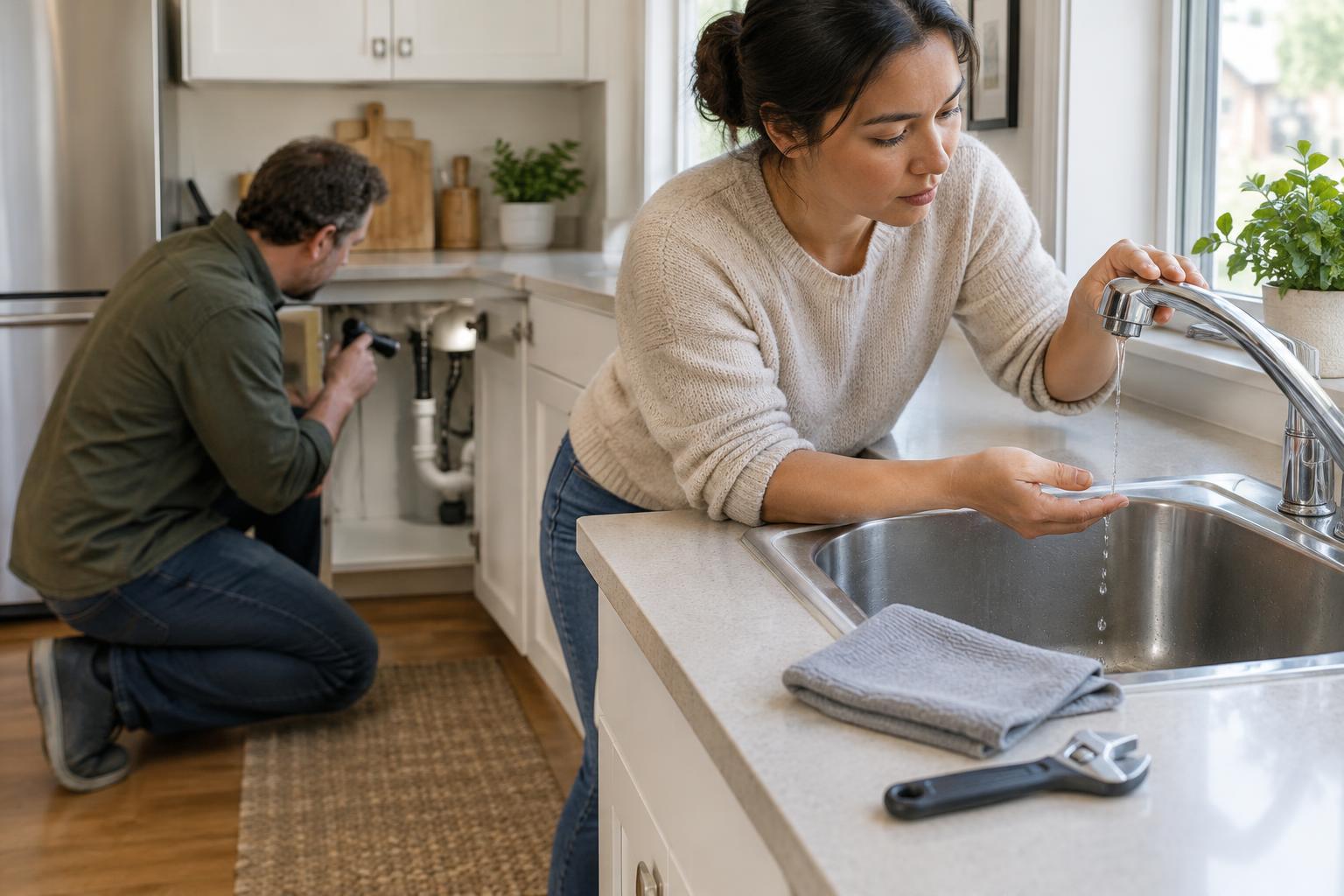
A dripping tap illustrates the difference between a symptom and its cause. A worn internal part may be routine property maintenance; damage caused while forcing a stuck handle may be treated differently. Mold is another example: moisture can come from a building leak, inadequate ventilation, or several contributing factors. Rather than assigning blame immediately, describe where and when it appears, note any leaks or condensation, and allow the cause to be assessed.
Outdoor spaces, pest problems, filters, and appliance servicing can also depend heavily on the lease and the property. A renter may be asked to keep a small yard tidy while the landlord handles a broken fence. Replacing an accessible filter may be routine upkeep, while servicing the system it belongs to is a different job. When responsibility is uncertain, ask who will arrange the work and who is expected to pay before approving a non-emergency repair.
Report problems so they can be resolved
Make a clear written report as soon as you notice an issue. Include the location, what is happening, when you first noticed it, and whether it is getting worse. Photos or a short video can show the condition without requiring you to guess at the cause. Keep copies of messages, replies, and any agreed access times. For an urgent hazard, use the designated emergency contact first, then follow up in writing so there is a record.
Avoid hiring someone, deducting repair costs from rent, or withholding rent based only on general advice; the rules and required steps vary by location. If a repair stalls or you disagree about a charge, restate the facts, refer to the relevant lease terms, and seek local tenant guidance if needed. The most useful habit is simple: care for what you can safely maintain, report what you cannot, and get responsibilities clarified before a small repair becomes a larger dispute.


